About 35% of people have 20/20 vision. However, this isn’t exactly the same thing as perfect sight. You might be surprised to learn that even people with 20/20 vision can struggle with certain visual issues. So what does having 20/20 vision really mean? This ratio is actually a measurement of visual acuity. It offers insight into how clearly and sharply you see items at a certain distance. It doesn’t mean, however, that you have perfect vision. Learn more about visual acuity and why it’s only one part of establishing eye health.
Read more →How clearly you see objects depends in great part on your visual system’s contrast sensitivity level. It’s not something you learn about during regular eye exams, so you might not realize that some of the vision problems you may be experiencing are the result of contrast sensitivity issues. Contrast sensitivity is a crucial aspect of visual function and is invaluable in low vision conditions, such as when driving at night. If you have 20/20 vision but you’re still struggling to see clearly in certain situations, it may be time to turn to your vision care specialist for help. Learn more about contrast sensitivity and how it impacts your sight.
Read more →Despite being a relatively common issue throughout the world, most people have never heard of binocular vision dysfunction. It is a kind of sight disorder that affects people of all ages, primarily making them unable to see the world around them as a single image. Even if you have 20/20 vision, you can find yourself struggling with headaches, dizziness, and eye strain, all of which are signs of binocular vision dysfunction. Read on for a closer look at what binocular vision dysfunction entails and what you can do about it.
Read more →Having 20/20 vision is often seen as the gold standard of eye health. But what if your vision is perfect on paper and you still struggle with reading, writing, or navigating your surroundings? For some individuals, particularly children, this may indicate visual processing disorders.
Read more →For many, the prospect of LASIK surgery represents a liberating journey towards freedom from glasses and contacts. Yet, amidst the excitement, it’s vital to acknowledge that LASIK isn’t a universal remedy. Choosing whether LASIK aligns with your needs demands thoughtful consideration of various factors, spanning from the condition of your eyes to your lifestyle preferences.
As we embark on this exploration alongside Dr. Telus, delving into the world of LASIK surgery to unravel its perks, perils, and alternative avenues, empowering you to chart a well-informed course in your quest for clearer vision.
Read more →Visual impairment is a term experts define as any loss of sight. Vision impairment uses visual acuity to measure the level of vision loss. Read on to learn more about visual impairment, visual acuity, vision loss, and when it can be corrected with lenses.
Read more →The last thing parents think of when they gaze into their child’s wonder-filled eyes is statistics about vision loss in children. However, taking care of your child’s eye health is just as important as tending to the other aspects of their well-being. Learning more about the threats to your child’s vision and how to prevent children’s vision loss will help.
Read more →35% of adults have 20/20 vision without the help of corrective lenses. If you are part of that percentage, you may think visiting the optometrist for an annual eye exam is unnecessary. In fact, not getting regular checkups can be putting your vision and overall health at risk. Read on to know why everyone needs annual eye exams.
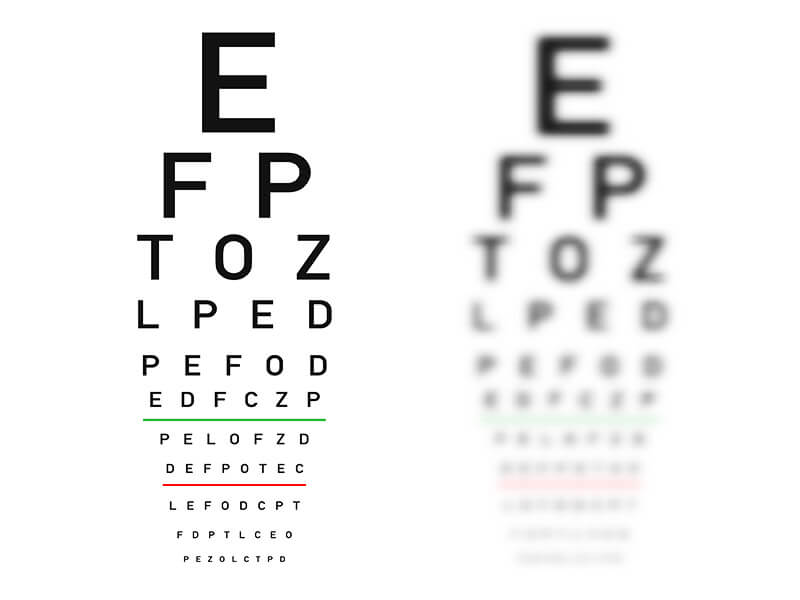
Read more →The Snellen eye chart is a diagram of different-sized letters that you see at your eye doctor’s office. Interestingly, it’s been around for over 150 years and helps determine the strength of your eyesight. The chart also indicates if you meet the legal vision requirement to obtain a driver’s license. Here’s a look at the history of the Snellen Eye Chart, how it’s used, and what it means to have 20/20 vision.
Read more →