It’s 11 PM. Your eyes feel like sandpaper, your head aches, and sleep seems impossible. Those trendy blue light glasses promise relief—your coworker swears by them, and ads follow you everywhere. Before you spend $30 to $300, here’s what science actually says. Spoiler: Save your money.Blue light spans 400-500 nanometers (nm), with 415-455 nm being the highest energy visible light. Your screen emits less than 1% of what you get from the sun—about 100,000 times less blue light than stepping outside. During daytime, blue light is beneficial. It activates intrinsically photosensitive retinal ganglion cells (ipRGCs) in your retina, which suppress melatonin, boost alertness, and regulate your circadian rhythm. The problem: these ipRGCs can’t distinguish between your phone at 10 PM and actual dawn, potentially disrupting sleep signals. But here’s where marketing diverges from science.
Read more →The pattern in all these holiday eye injuries is clear: most of them are entirely preventable. A moment of caution, the proper protective equipment, and awareness of risks can mean the difference between a joyful holiday season and one spent recovering from a serious injury. As you prepare for your holiday celebrations, keep eye safety in mind. An accident can happen in just seconds, but the consequences can last a lifetime.
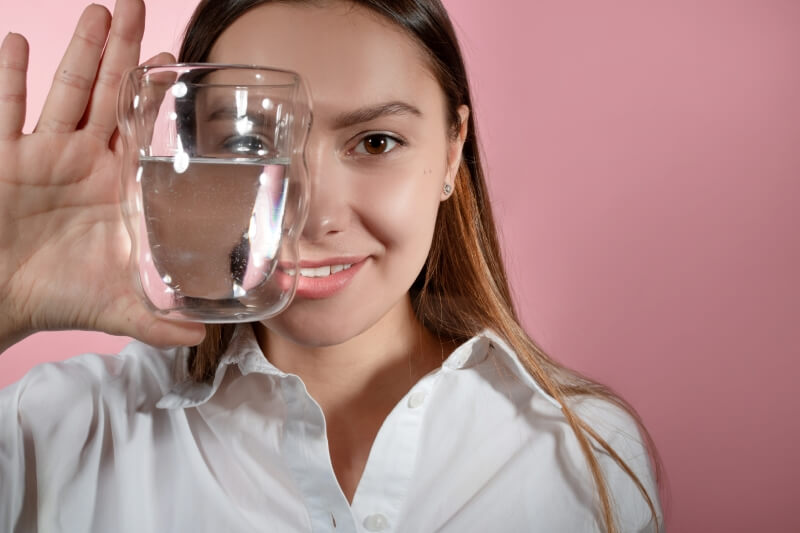
Read more →You know that feeling when you realize you haven’t had a glass of water in hours? Maybe you’ve got a headache coming on, or you’re feeling a bit sluggish. But here’s something you might not have considered: your eyes are feeling it too.
At Looking Glass Optical in Pasadena, Maryland, Dr. Teles and Dr. Maner see patients every day who don’t realize that their eye discomfort is connected to something as simple as dehydration. Your body is about 60% water, and your eyes depend on proper hydration to function comfortably. When you don’t drink enough water, your vision can suffer in ways you might not expect.
Read more →Have you ever wondered how your eyes work together to help you catch a baseball, park your car, or walk down stairs without stumbling? The answer lies in your remarkable depth perception, which enables you to see the world in three dimensions. At Looking Glass Optical in Pasadena, Maryland, Dr. Teles and Dr. Maner aim to help you understand this fascinating aspect of vision and why depth perception is important for your daily life.
Read more →From 2011 to 2015, over a quarter of a million children were treated in an emergency department for toy-related injuries. About 1 in 10 childhood eye injuries seen in emergency rooms are caused by toys. When you’re purchasing a holiday gift for a child, think about how that toy might affect their eye health. Discover what potential hazards some toys pose and how you can choose safe holiday toys to prevent harm to your loved ones’ vision and eye health.
Read more →There are few better feelings than cheering on your child’s team from the sidelines while a crisp fall breeze comes rolling through. Making sure your child can have fun and build their skills during fall sports may be a top priority. However, it’s also important to focus on your athlete’s overall health. Undoubtedly, excellent vision will improve your child’s performance and keep them on the field. Discover a few tips that can help you protect your child’s eyes during fall sports and ensure their ability to play the entire season.
Read more →Our eyes are one of our most precious senses, allowing us to perceive and navigate the world. Yet, they are often taken for granted until an injury occurs. Eye injuries can happen anywhere—at home, work, or recreational activities—and have serious, lasting consequences. Understanding and implementing key safety measures can protect our eyes from harm and ensure they remain healthy and functional. Let’s explore essential safety practices to prevent eye injuries across different environments.
Read more →Pterygium, commonly known as Surfer’s Eye, is a benign growth of the conjunctiva—the clear, thin tissue that lies over the white part of the eye and lines the inside of the eyelid. This growth typically starts on the nasal side of the eye and extends toward the cornea, the eye’s clear front surface. While the name “Surfer’s Eye” suggests a condition exclusive to surfers, it can affect anyone who spends significant time outdoors in sunny, dusty, or windy environments.
Read more →Your eyes are not just windows to the world; they also serve as mirrors reflecting your overall health. The connection between eye health and your overall well-being eye health and general well-being is more vital than you might think. Looking Glass Optical explores how taking care of your eyes can positively impact your overall health and quality of life.
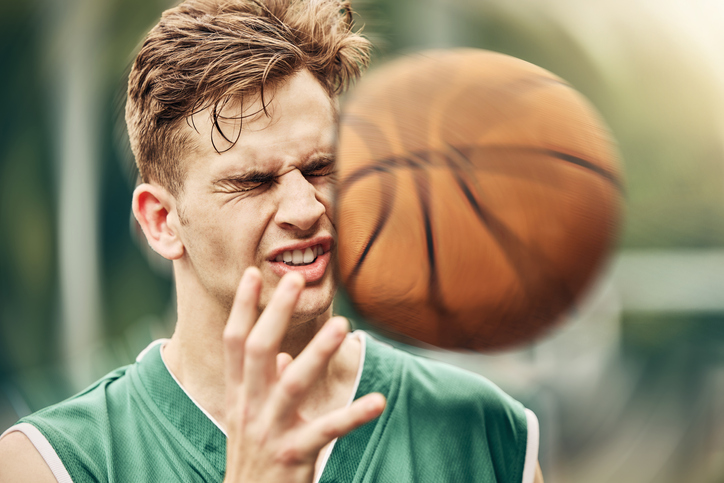
Read more →Enjoying sports and outdoor activities should be a safe and enjoyable experience. Yet, according to the American Academy of Ophthalmology, sports and recreational activities account for more than 40,000 eye injuries yearly. Many lead to more permanent damage, like blindness. However, many are preventable. That is why better education can help reduce the risk of eye injuries.
Read more →