Educational Resources


At Looking Glass Optical, we’re as dedicated to educating our patients as we are to caring for their vision. Dr. Mayer Teles, Dr. Tasneem Maner, and Dr. Saadia Tariq all believe that knowledge is power — the more you understand about your eye health, the better equipped you are to protect it. It’s why patient education is part of every exam, and why we publish a new blog each month on the topics our patients ask about most.

Don’t want to miss one? Sign up for our monthly newsletter and follow us along on Facebook.

Our commitment to eye education extends beyond our office. We’re proud supporters of Promise in Sight, a non-profit dedicated to preventing blindness and preserving vision for people without access to quality eye care.

Browse our resources below. If there’s a topic you don’t see, give us a call — our doctors are always happy to answer your questions.
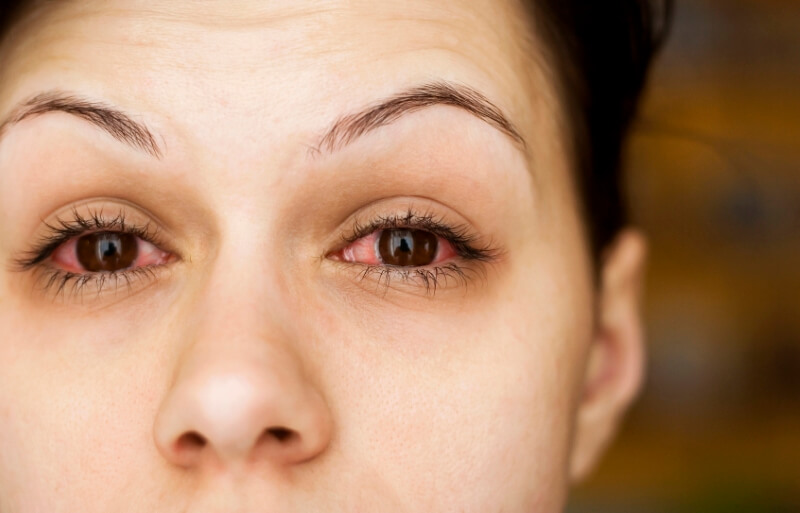
What are Keratitis Symptoms and Treatment?

What are Keratitis Symptoms and Treatment?

Keratitis symptoms and treatments will depend on the severity of the condition. Keratitis is an inflammation of the cornea, the clear, dome-shaped surface covering the front of the eye. Various factors, including infections, injuries, and underlying medical conditions, can cause it. Keep reading to learn about the two categories of keratitis as well as symptoms and treatments.

Read more

Preventing Glaucoma & Avoiding Losing Your Eyesight

Preventing Glaucoma

According to the CDC, more than half of the people with glaucoma don’t know they have it. Glaucoma causes vision loss and, if left unchecked, blindness. Glaucoma damages the nerve in the back of your eye, called the optic nerve. Learning about glaucoma is always possible by talking to your optometrist. Read on to learn more about preventative measures and possible treatments to avoid vision loss from glaucoma.

Read more

When and How Your Nighttime Driving Ability Can Get Worse

When and How Your Nighttime Driving Ability Can Get Worse

We often hear jokes about nighttime driving and people’s inability to see well at night, and although the jokes are funny, we do need to take this seriously. Nighttime driving, for those of us with less than stellar eyesight, can be stressful and dangerous to ourselves and others. Read on to learn when and how nighttime driving ability can get worse and how to solve this. 

Read more

3 Types of Contact Lenses for Astigmatism – Which Contact Lenses are Best for You?

3 Types of Contact Lenses for Astigmatism - Which contact lenses are Best for You

What is an Astigmatism and how can it be treated with contact lenses, and what options are available for contact lenses for Astigmatism? Astigmatism is relatively common and treatable, caused by an imperfection in the eye’s curvature. Of course, contact lens options to correct astigmatism exists. Read on to learn more about corrective contact lens options.

Read more

5 Ways Autoimmune Diseases Can Affect Your Vision

Autoimmune Diseases Can Affect Your Vision

Autoimmune diseases cause the body’s cells to attack each other, impacting every aspect of your health. Few autoimmune disorders specifically target the eyes. However, an autoimmune disease can affect your vision due to its systemic nature. While autoimmune diseases have no current cure, properly managing symptoms can lessen their progression and impact your health.

Read more

How to Avoid Bacteria Growing in Your Contact Cases

Eye Infections Bacteria from unclean Contact Lenses

Are your contacts soaking in microorganisms? Harmful bacteria can grow in your contact case when your lens routine lapses. You might not consider the bacteria growing in your contact case when you care for your lenses. Unfortunately, neglecting your lens case can lead to eye infections. You can reduce your risk of infection by caring for your case as rigorously as you care for your lenses.

Read more

Contact Lenses for Children — What Is the Best Age to Start?

Contact Lenses for Children — What Is the Best Age to Start?

According to the Centers for Disease Control and Prevention (CDC), approximately 8% of all contact lens wearers in the United States are under the age of 18. Contacts for children come with numerous benefits, but are contacts the right option for children? Learn more about what contact lenses can offer young patients and when the best age to start wearing lenses is for children.

Read more

Importance of Sunglasses in Winter and the Dangers of the Winter Sun

Why Sunglasses Are Still Just as Important in Winter

Most people have heard that the sun can damage your eyes and that wearing sunglasses can help protect you from this damage. What many people don’t realize, however, is the importance of sunglasses throughout the entire year, not just in the summer. Learn more about why wearing sunglasses in winter is essential.

Read more